Immenstaad, 18 April 2024 – ZIM Aircraft Seating GmbH generated revenue of more than 40 million euros in fiscal year 2023. The company thus continues the growth trajectory that began with its realignment in January 2021. In the pandemic year 2020, revenue had collapsed to around 17 million euros.
From 17 to over 40 million euros
The figures of recent years describe the trajectory more precisely than any commentary: in 2020, business collapsed to around 17 million euros in the wake of the pandemic, as air traffic largely came to a standstill worldwide. In 2022, revenue was already back at around 26 million euros. In 2023, the 40 million euro mark was passed. Within three years, the business has thus more than doubled.
Drivers of growth
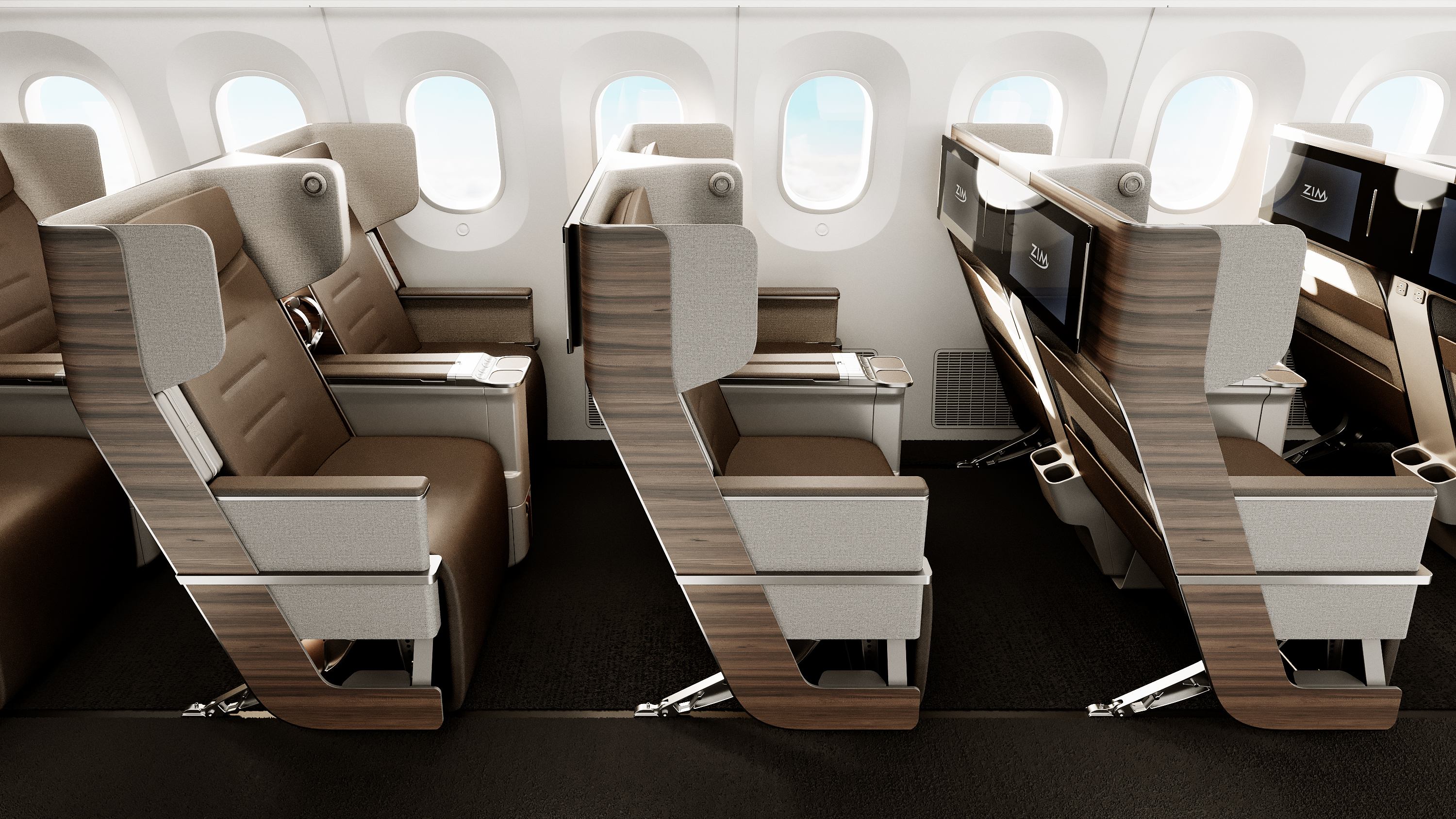
The development is driven by the series ramp-up of the ZP610. The seat entered scheduled service with SWISS at the beginning of 2022, the Lufthansa Group placed one of the largest single orders in the company's history in January 2022, and Air New Zealand joined as a further long-haul customer in 2022. Before that, the delivery programme for Air Caraïbes had been completed. The development and certification work of the crisis years has thus turned into deliveries.
The acquisition only takes effect from 2024
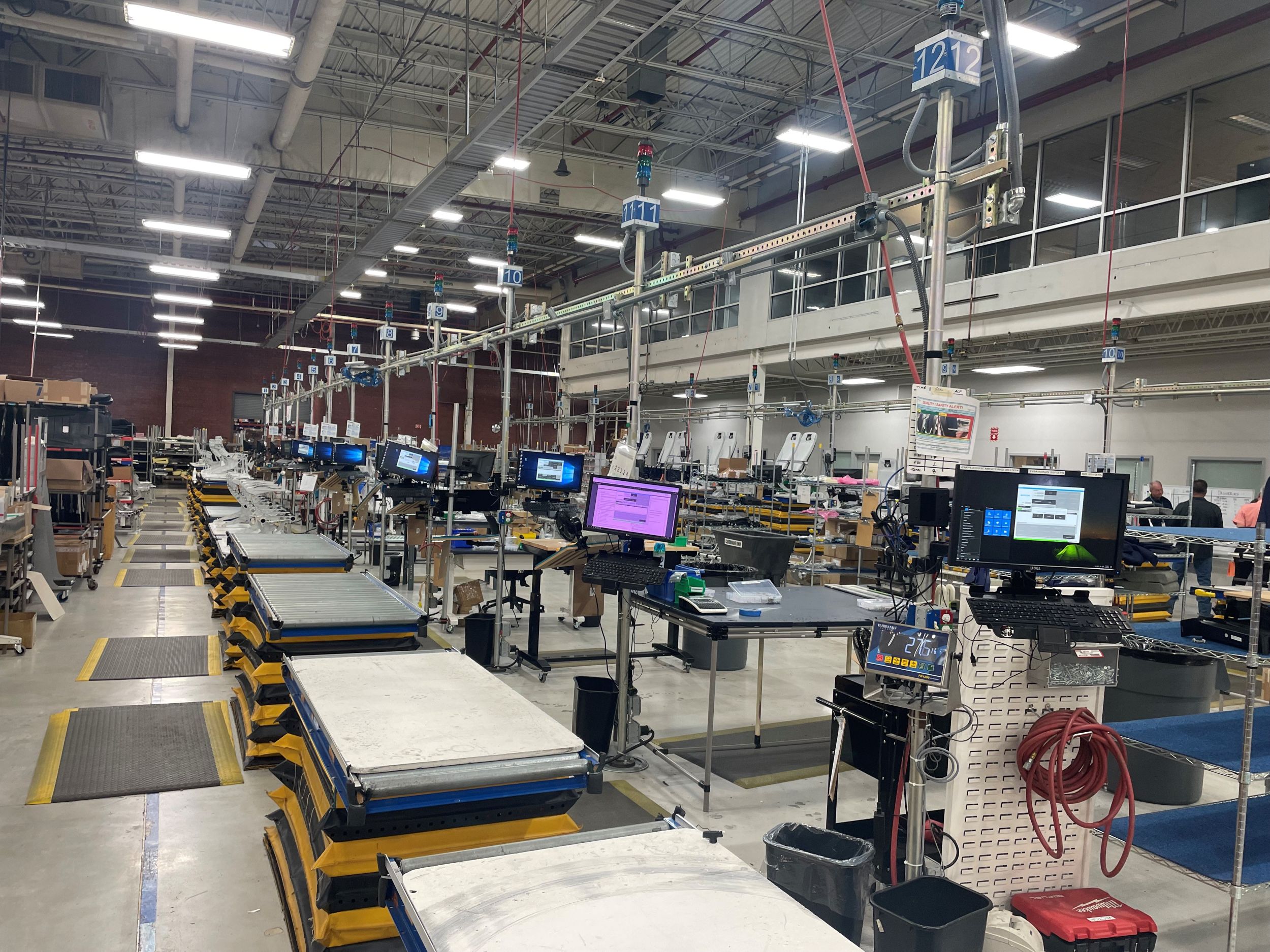
The acquisition of HAECO Cabin Solutions in October 2023 is not yet reflected in this figure. The US business was only added towards the end of the year and will take effect for the first time in fiscal year 2024. The more than 40 million euros therefore come entirely from the German business. For the scale of the coming years, however, the acquisition is the decisive step: it brings a dedicated production base in North America, a complete Economy portfolio and access to new airline customers. The transaction was supported by the AURELIUS Group, which provided additional equity.
Outlook
The company expects further growth in the coming years. Premium Economy is the fastest-growing segment on long-haul routes, and airlines plan cabin programmes with a lead time of several years. The decisive factor will be to let capacity, certification capability and supply chains grow in parallel.