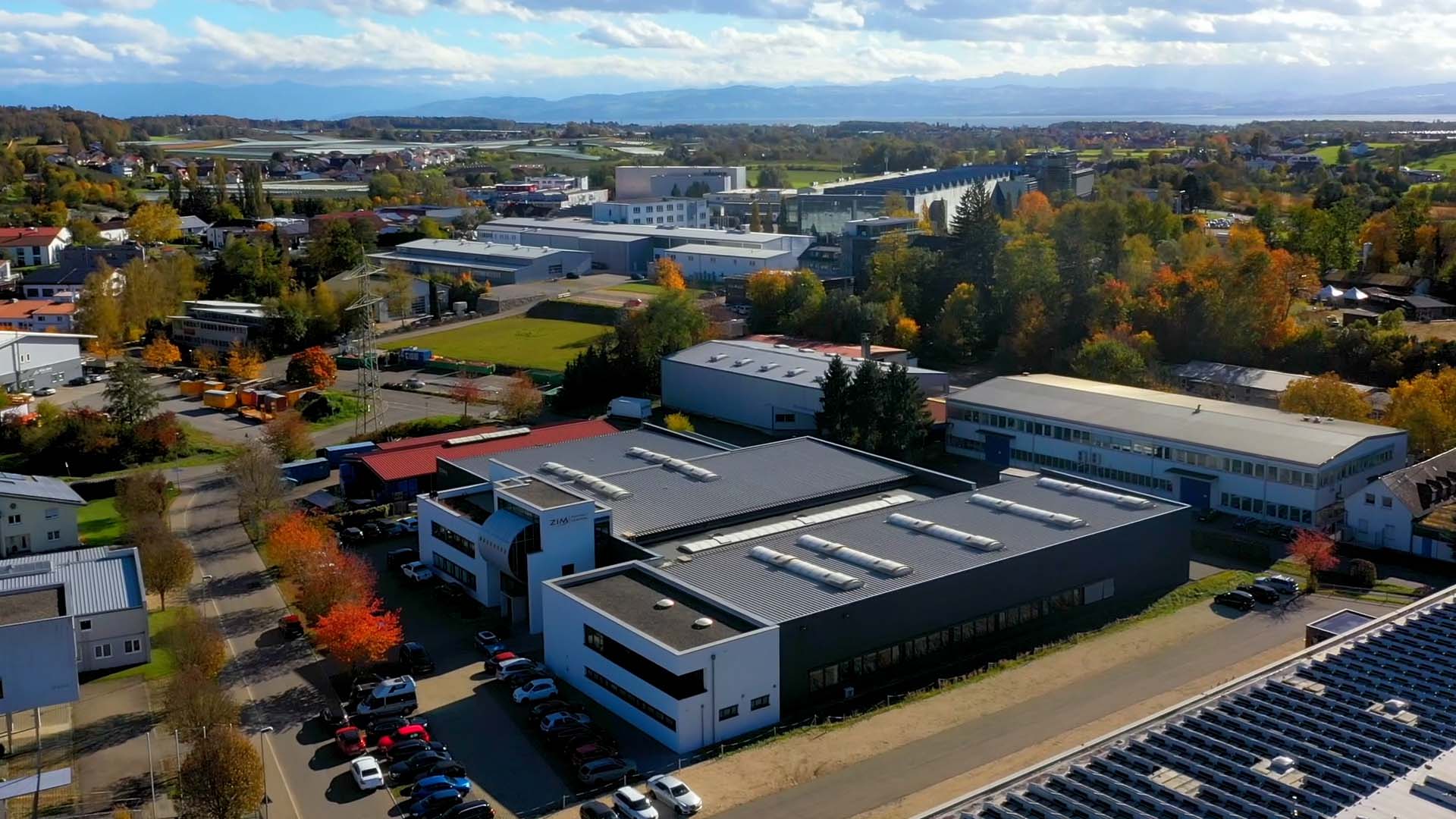
Immenstaad, March 17, 2023 – ZIM Aircraft Seating GmbH has established its environmental management in accordance with the European EMAS regulation. This gives the company's sustainability work a binding, verifiable framework – from product development through the supply chain to building operations.
A framework instead of individual measures
EMAS goes beyond mere certification: the system requires a documented environmental review, measurable targets and continuous improvement that is externally validated. To this end, ZIM has appointed a dedicated sustainability manager and embedded the “Design to Sustainability” principle across the entire product life cycle – from material selection to the question of what happens to a seat at the end of its service life.
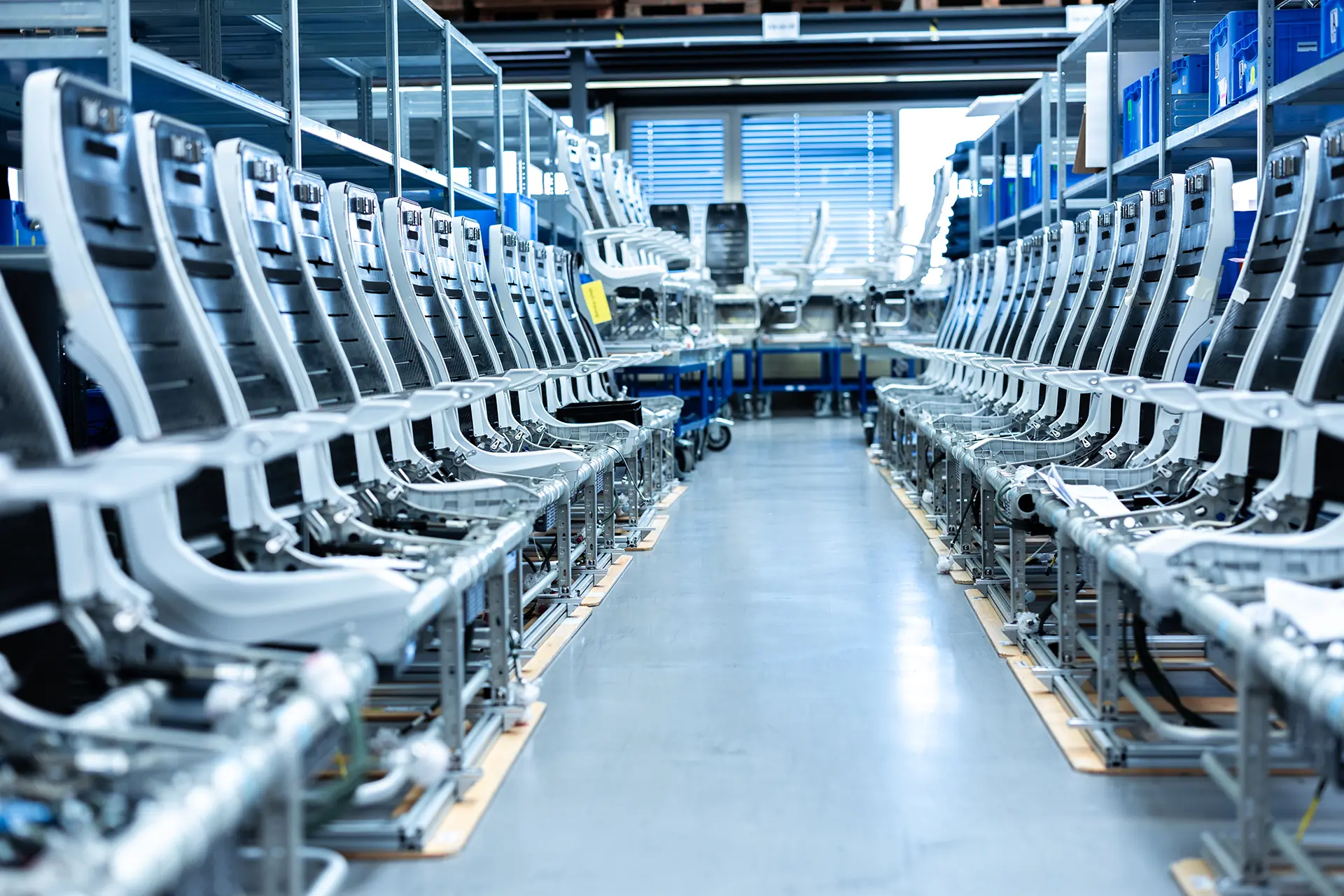
In concrete terms, this means: product life cycle assessments for the seat programs, sourcing of green electricity, closed material loops and a targeted reduction of scrap in the supply chain.
The biggest lever lies in the product
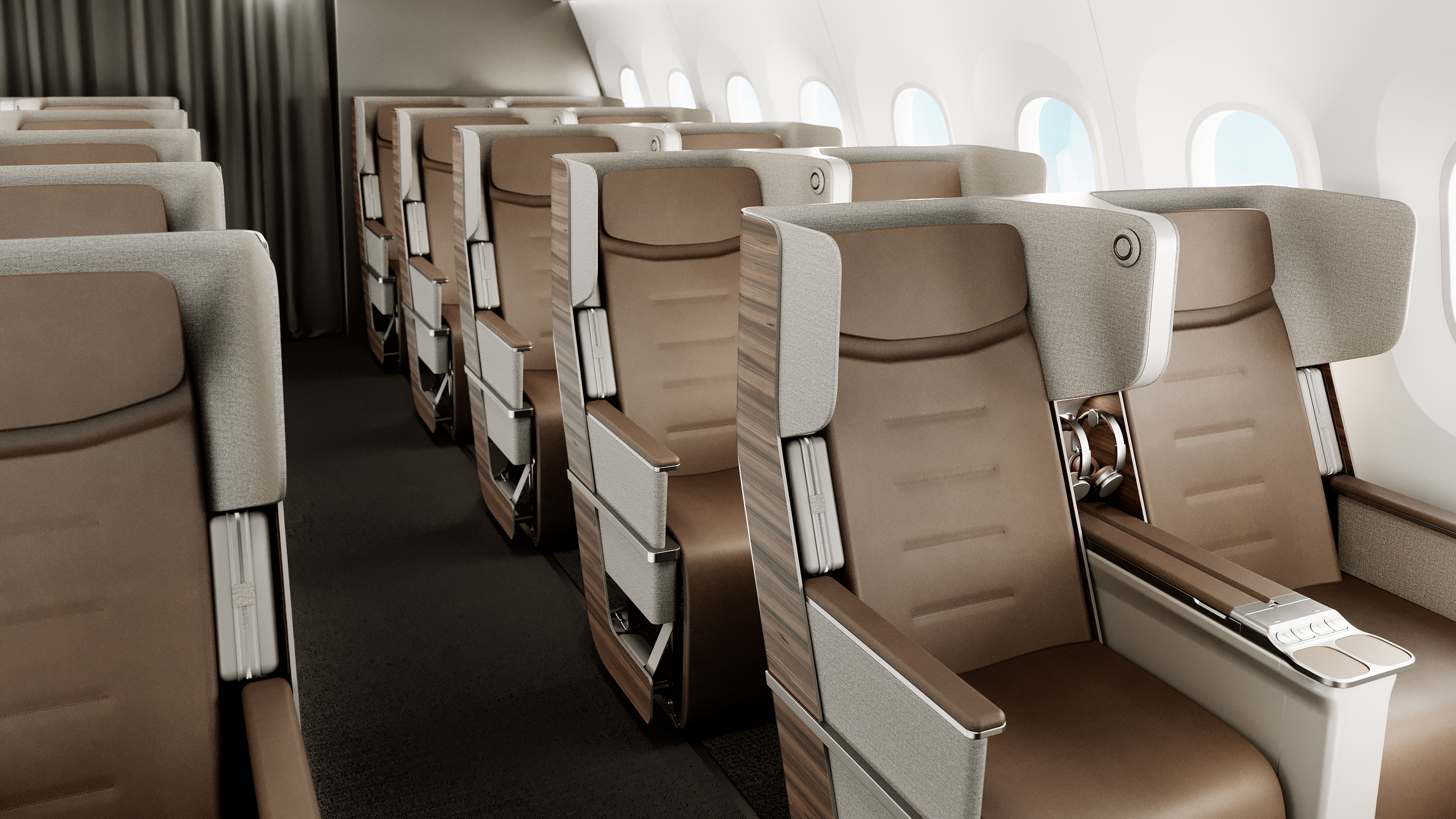
For a seat manufacturer, sustainability works above all through the product. Every kilogram of seat weight saved on board directly reduces fuel burn – and with it CO₂ emissions – over the entire service life of the aircraft. Weight-optimized seat structures are therefore a central development goal of every ZIM program. Added to this is space utilization: space-efficient LOPA concepts increase efficiency per square meter of cabin without reducing passenger comfort.
Social and economic dimension
For ZIM, sustainability does not end with the product. The Immenstaad site is built as an energy-efficient, barrier-free building. Corporate mobility schemes and a systematic training program for employees are as much a part of the company's understanding of sustainability as the ecological footprint of a seat.